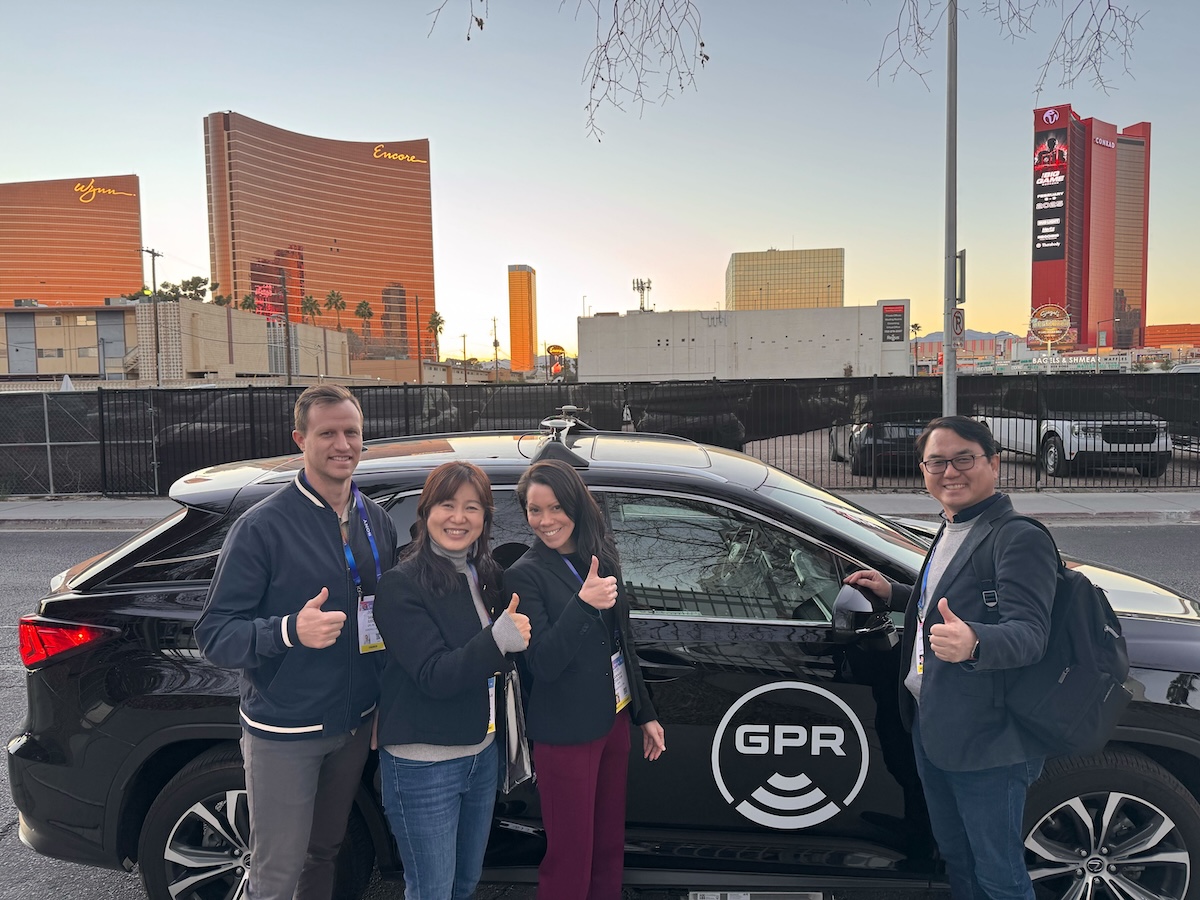
GPR, CES 2025, and WaveSense First Demos!
When launching WaveSense in 2024, our goals for what the rest of the year could become were ambitious. But even we couldn’t have predicted the success that would lead to a perfect inaugural showing of the WaveSense technology on our GPR test vehicle at CES 2025.
This January, GPR created an immersive experience on the Las Vegas roads as a part of the innovators showcasing technologies shaping the future. It was a milestone moment for a startup from Boston, showcasing the practical applications of our localization system to some of the largest players in the game.
So, How’d it Go?
First things first, in case you live under a rock: the Consumer Electronics Show, aka CES, brings the newest cutting-edge technology. Every year, it attracts leaders and decision-makers from around the globe, providing a wonderland of tech, gadgets, and innovation.
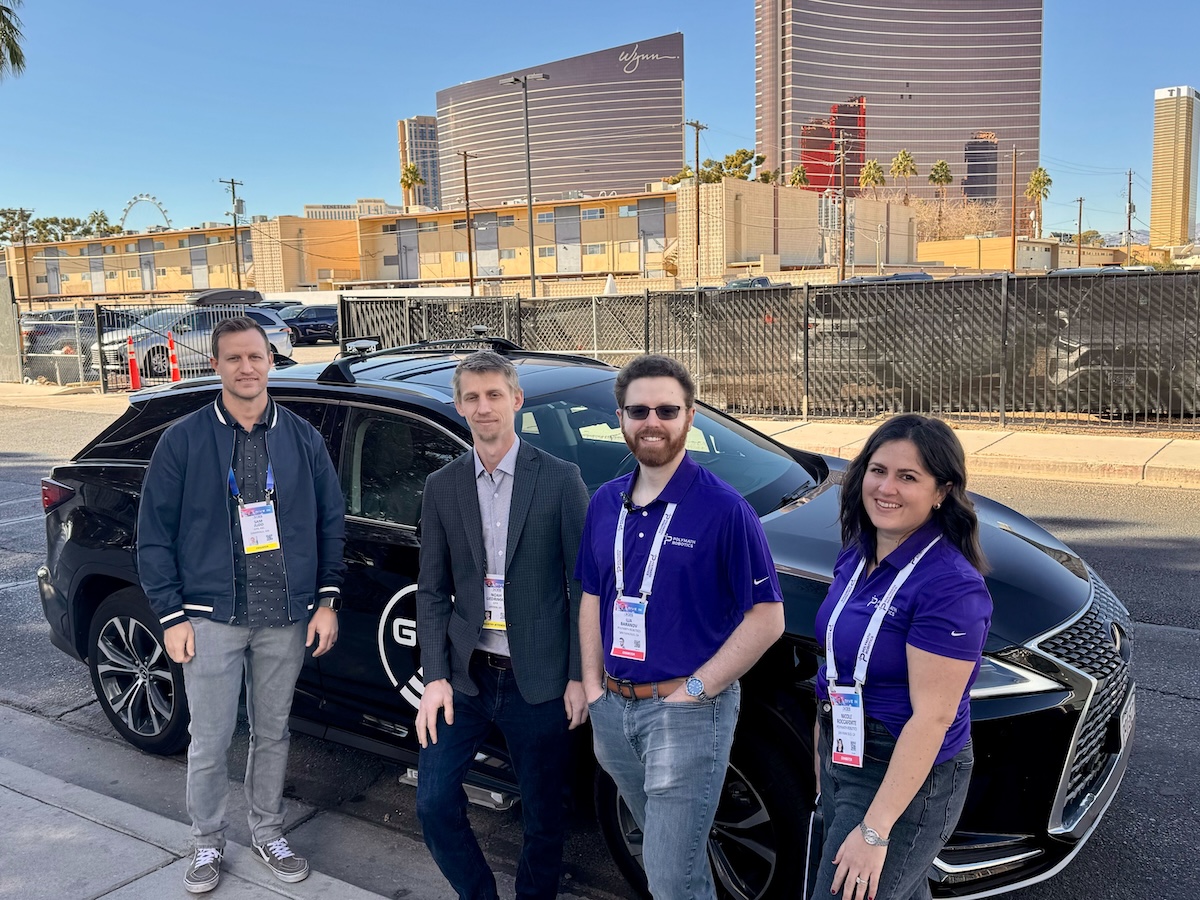
This year, GPR’s presence at CES went beyond attending. For the first time, GPR showcased WaveSense in action with a live demonstration using a test vehicle. With autonomous mobility a key topic, GPR had a unique opportunity to position our groundbreaking WaveSense technology among the most advanced solutions in autonomy.
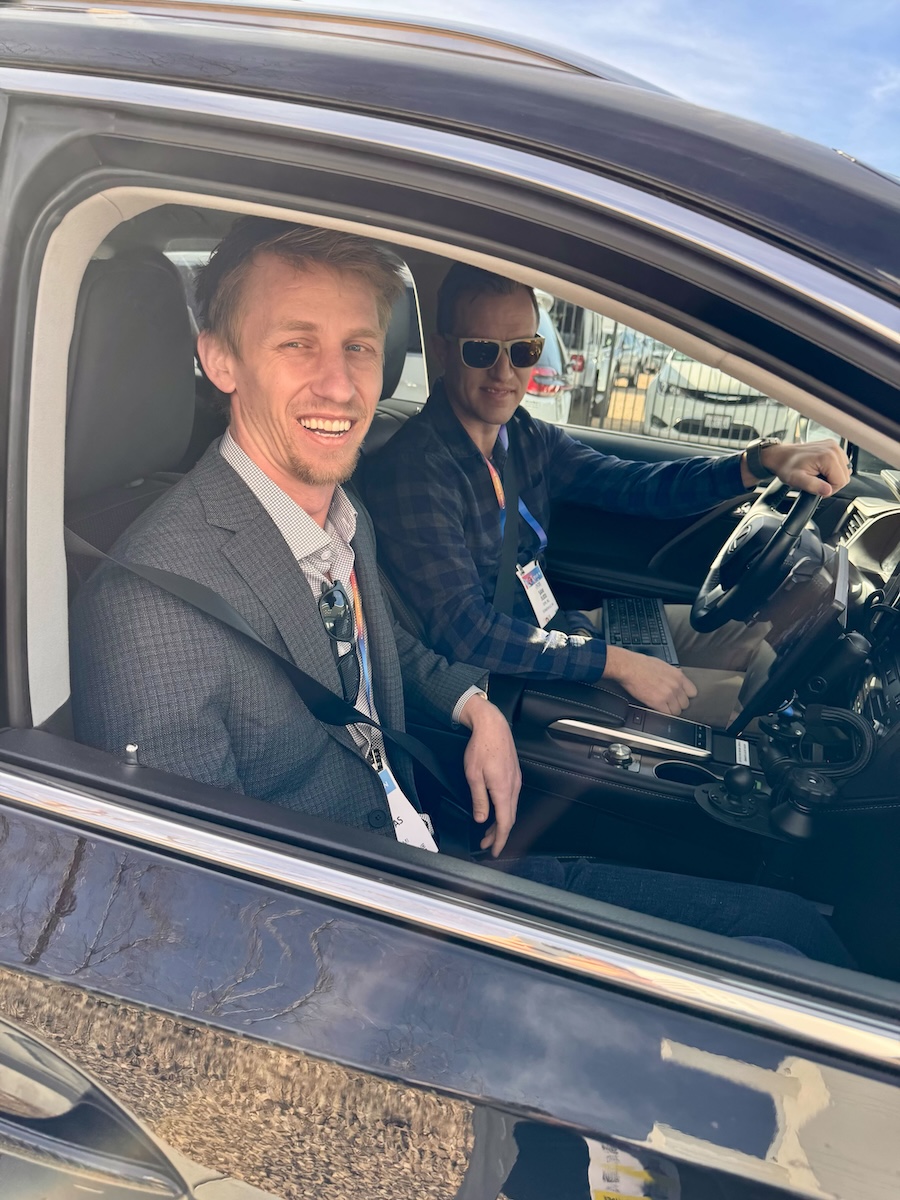
Who’s We?
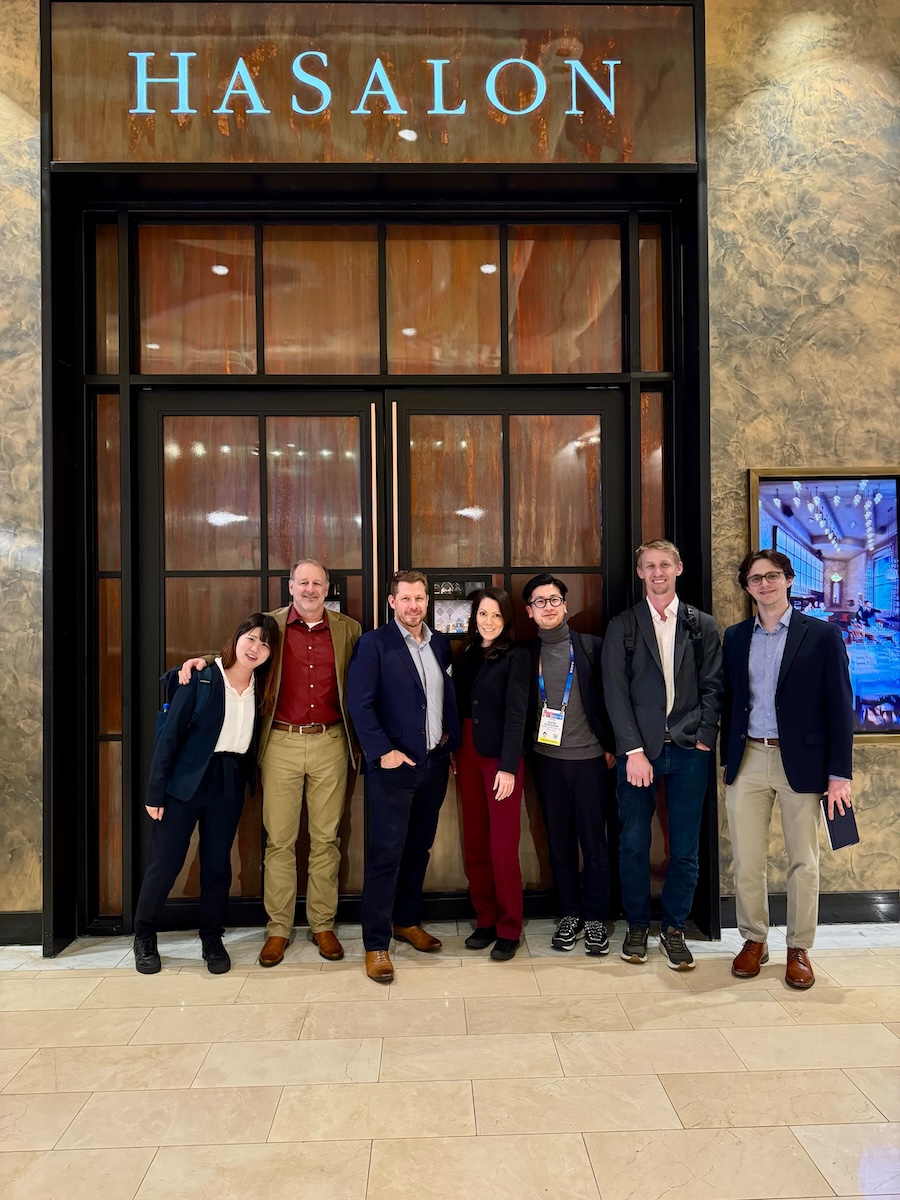
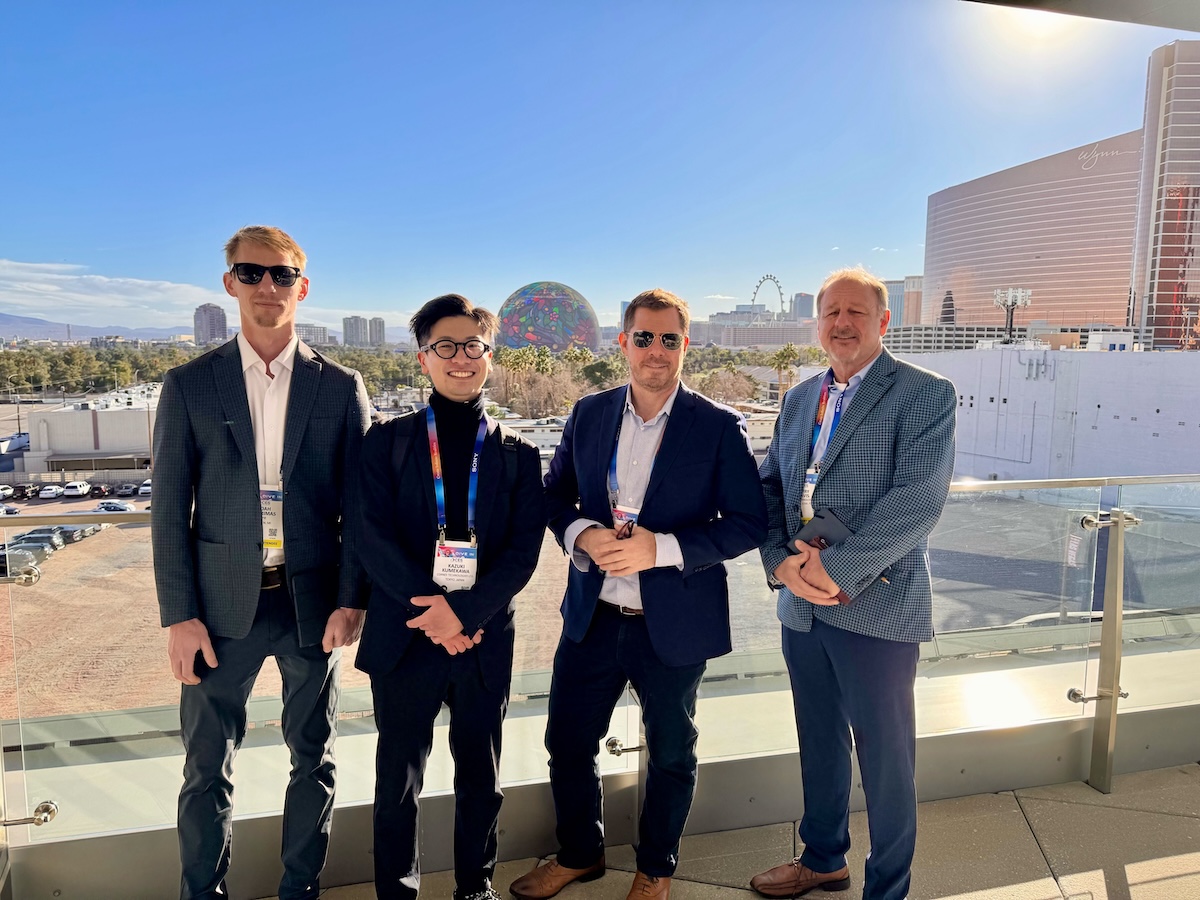
Our “Dream Team” attending included:
- CEO Moran David: Driving the company vision.
- VP of Strategy Noah Gedrimas: Shaping the strategy and commercialization.
- Senior Business Development Hannah Osborn: Engaging prospects and partners.
- Engineers Tom, Amol, and Sam: Providing technical expertise during live demos.
Demos in Action
Flawless demo rides don’t happen by chance—they’re the result of meticulous planning, tireless effort, and a determined team. For CES in Las Vegas, the process began well before the show, with the team shipping the test vehicle and spending the weekend prior mapping the streets of Vegas. They rigorously stress-tested the WaveSense system under demanding conditions, including operating entirely without GPS.
Challenges arose, as they often do. In perfect timing, the car battery died on the morning of the event. The anticipated but still overwhelming CES traffic posed significant logistical hurdles. Yet, the team pushed through, overcoming these obstacles and others.
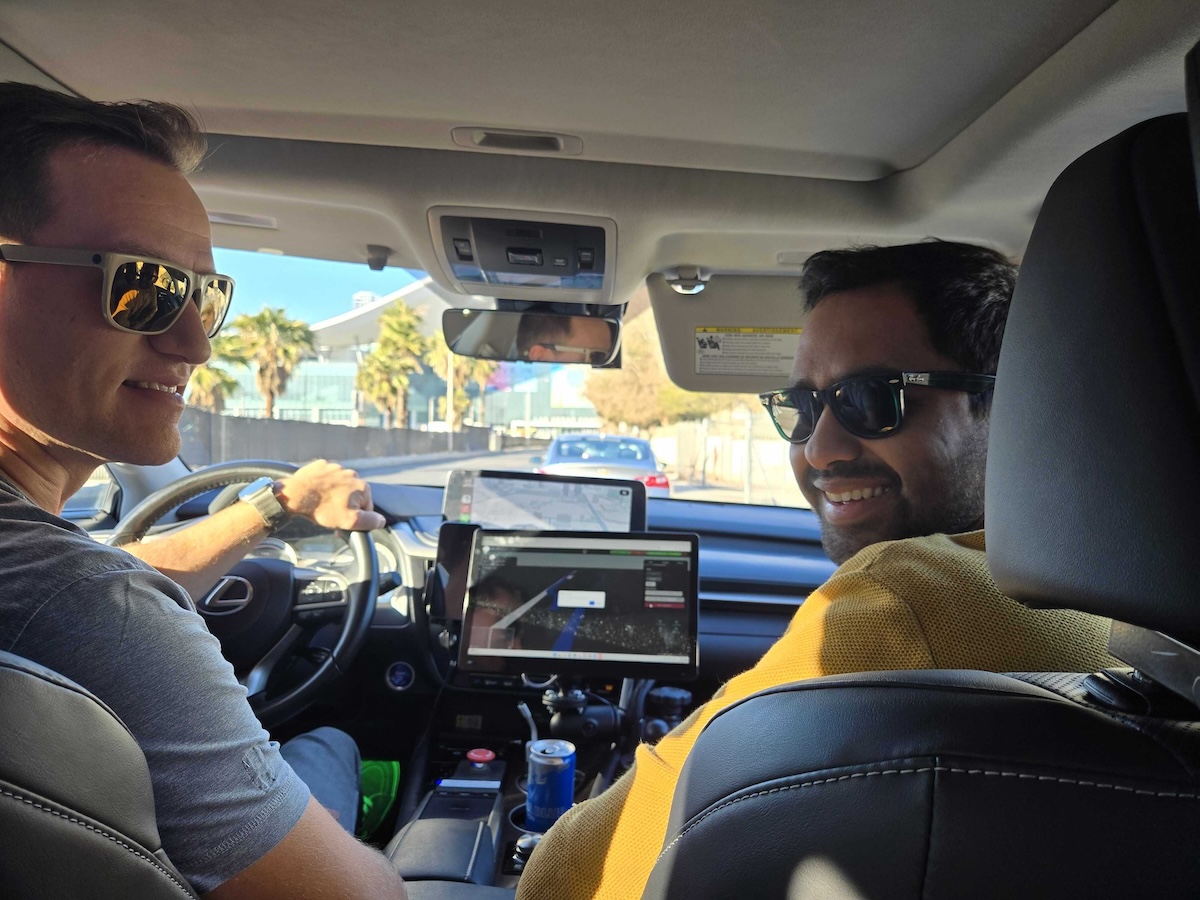
Come showtime, they not only delivered flawless demo rides but also took attendees behind the scenes, showcasing the extraordinary effort and precision involved in each step of the process:
- Subsurface Data Collection: The system’s sensor, GroundSense, scanned and mapped the road’s subsurface, capturing detailed data of features below, invisible to traditional sensors.
- Localization in Action: NavSense matched the collected data to the pre-mapped subsurface as the vehicle moved, highlighting the system’s real-time localization. Attendees could see the results on display, showcasing the superior accuracy in localization.
- Environmental Simulations: All demos were conducted without GPS to showcase localization capabilities in GNSS-denied and degraded areas. To demonstrate the system’s resilience in other adverse conditions not present, the demo included presentations on scenarios where traditional sensors fail—such as fog, rain, and snow—which are scenarios that WaveSense remains unaffected.
And the Feedback?
Well, don’t take it from us. Thanks to our friends at Polymath Robotics, including us in their CES tour, we have a video where you can see for yourself the demo and onsite feedback. “With that kind of localization, who could resist?”
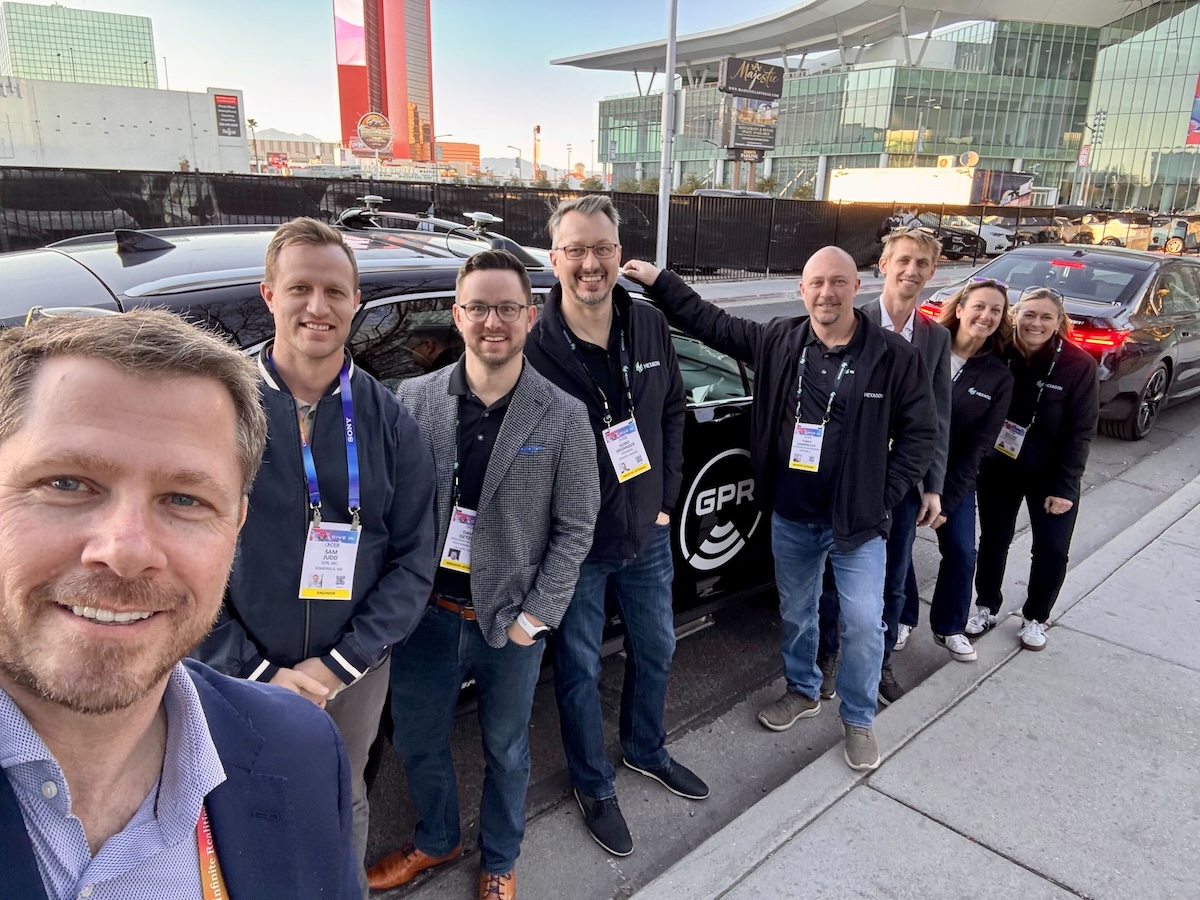
Q&A: Behind the Scenes with the GPR Team
To provide a glimpse into what went on behind the scenes, we spoke with the Dream Team about their experiences, insights, and the moments that made this year unforgettable.
- What stood out about CES 2025 compared to past events? This year marks my 10th CES, and I’ve witnessed the full arc of the autonomy hype cycle. A decade ago, companies heavily bet on technologies like V2V and V2X communication, vision-only systems, and ambitious concepts like smart cities. The industry, however, was overly optimistic about deployment timelines. Since then, we’ve experienced the “autonomy winter,” during which several major players shut down or abandoned their AV initiatives. This period has ushered in a necessary reality check. The industry now better understands the immense complexity of the challenge and the grave consequences of cutting corners or taking unnecessary risks. Today, the focus is on demonstrating tangible, early successes—not necessarily in urban or highway settings but within confined off-highway operational design domains (ODDs). These platforms leverage multiple sensor modalities, robust redundancies, and phased implementation strategies. CES 2025 signals that the “winter” is behind us. Autonomy and robotics are making a comeback—this time, with greater maturity, thoughtfulness, and responsibility. I’m thrilled to witness this evolution as operators and investors shift from seeing autonomy as a hyped technology to recognizing it as a reliable and transformative tool, enhancing every aspect of our lives. – Moran David, CEO
- What autonomy development surprised you the most at CES? CES has shown that autonomy makes sense all over. Everything from autonomous lawnmowers to autonomous baggage handlers, and often the business case is much easier in limited ODDs that can be dangerous, repetitive, or expensive for manned operation. – Noah Gedrimas, VP of Strategy
- What technical challenges did you have to address during demos? Mapping and collecting data in the bustling streets of Las Vegas, particularly near the convention center. Generally speaking, there was a ton of traffic and people. We had to generate a map amidst all this madness. The system worked really well because we only had to drive over a lane once for the data to be collected. We did this over several routes and across multiple lanes and successfully produced a map from which we could then localize. Given the complexity of the changing vehicle and pedestrian traffic, I was grateful to be mapping using the GPR system because of the simple drive-and-map process, which produced reliable data on the first pass. – Sam Judd, RF Regulatory Architect
2025 CES Lessons Learned
While it’s impossible to overstate the craziness (albeit pleasing) of CES, a few key themes emerged:
- Memorable Moments: The test vehicle demos stood out, sparking excitement and engagement that text or static visuals simply can’t replicate.
- Lessons Learned: Simplifying the communication of complex technology is crucial. The demos highlighted the importance of using clear visual aids and relatable analogies to explain the science behind WaveSense.
- Takeaways for the Future: The overwhelming interest at CES reinforced the need to continue expanding our outreach. Building deeper partnerships and refining our technology for diverse environments will remain at the forefront of our strategy as we grow.
And if you missed out on a live demo at CES 2025, you don’t have to wait for 2026 to get a hands-on experience. Reach out to our team for a personalized virtual demo.